Skating Treadmill Built for Real Player Development

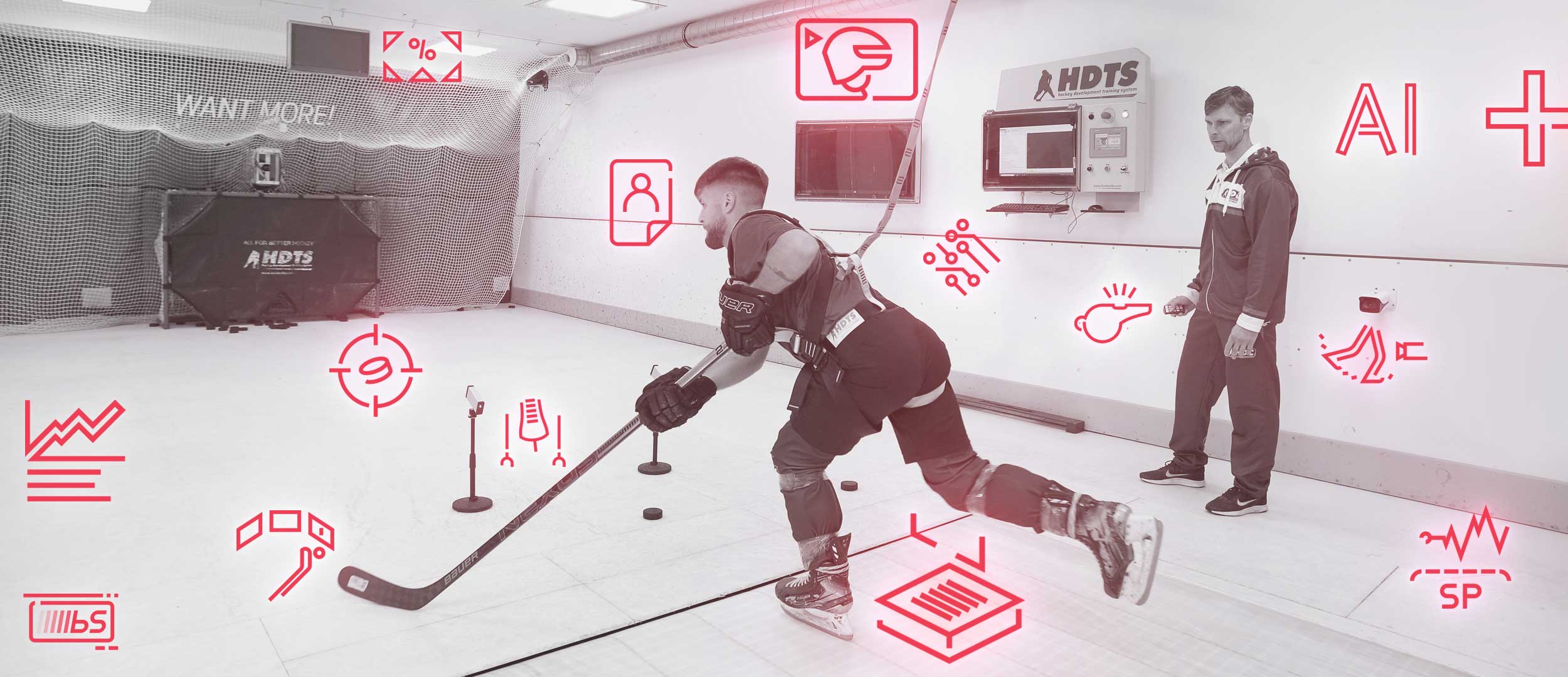
Hockey player training on HST skating treadmill in Fusion Skating zone with AI analytics overlay
VIDEO

Not just a skating treadmill, but a complete skill-improvement system

Our skating treadmill exists for one purpose: to develop hockey players faster and more consistently than any stand-alone skatemill. It unites hardware, software, and methodology into a single ecosystem, turning equipment into measurable progress for players and sustainable revenue for your center.
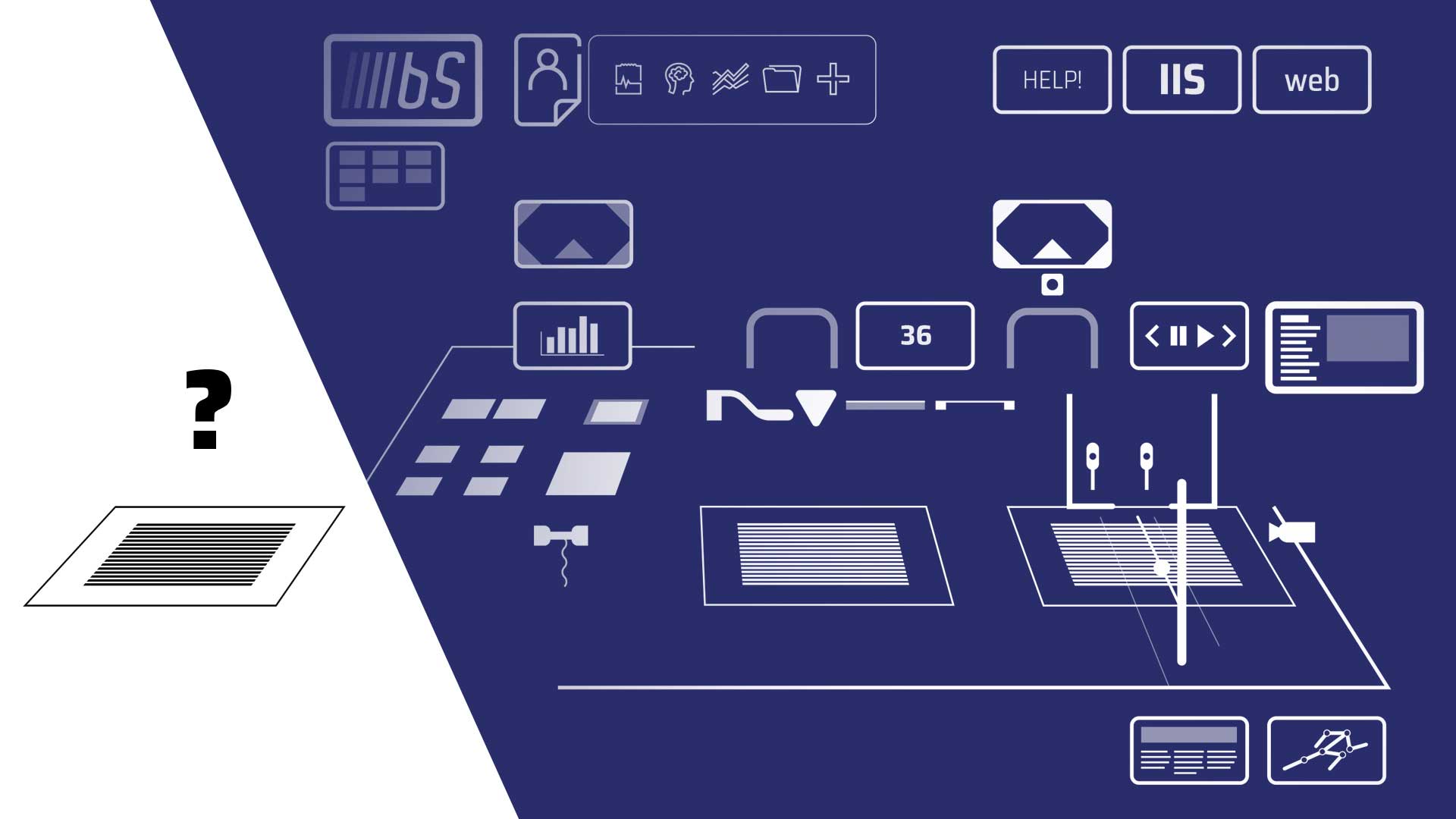
 

Explore the HST Skating Treadmill

Why a Skating Treadmill Itself Is Not Enough


training on a hockey skating treadmill

Most skating treadmills sell on specs alone: belt size, top speed, price tag. They gather dust because without diagnostics, structured programs, or business integration, they're just expensive platforms collecting cobwebs.

"A skating treadmill shines only when it fits into a larger system that drives daily player improvement and center profitability."

HDTS approaches this differently.

As the global leader in athlete development technology with over 100 installations across 22 countries, we've asked: How does a skating treadmill accelerate individual growth while building a viable business? The answer powers everything from consistent player results to streamlined coach workflows and clear ROI for owners.

What Makes Our Skating Treadmill Different

We don't chase spec wars over a few extra centimeters of belt or horsepower. Clients choose our HST skating treadmill because it delivers full value in real hockey facilities: better players, stronger reputations, healthier businesses. Here's why it stands apart.

Icon: Development System

We Sell a Development System, Not Just a Device

Hardware, software, and methodology engineered as one seamless ecosystem.


Every minute on the skating treadmill targets specific skills, tests, or programs – not generic "belt time."

Icon: AI Analytics

Integrated Diagnostics and AI Analytics

Built-in AI Skating Analysis and Acceleration modules capture stride quality, efficiency, power – beyond basic speed tracking.


Players visualize progress, coaches access actionable data, owners prove center value to parents and teams.

Icon: Fusion Skating

Fusion Skating – One Surface, Every Core Skill

Seamless puck flow from skating treadmill to surrounding synthetic ice for shooting, passing, stickhandling.


Train skating technique, reaction time, peripheral vision, and conditioning in one unbroken zone.

Icon: Proven Methodology

Proven Methodology Over Trial and Error

Instructor app delivers pre-built training plans and exercise libraries by age, level, and goal.


Coaches cut prep time while delivering uniform quality across staff and sessions.

Icon: Hockey Business

Built for Hockey Business, Not Just Practice

Optimized capacity for commercial use: individuals, teams, federations, national programs.


Diagnostics and reports convert one-off visits into recurring memberships and partnerships.

Icon: Remote Support

Advanced Online Monitoring and Remote Support

Real-time tracking of all skating treadmill parameters for full operational control.


Remote diagnostics resolve 90% of issues without onsite visits—unmatched by competitors.

Key Advantages Compared to Typical Skating Treadmills

AspectOur HST Skating TreadmillTypical Skating Treadmill
Training Concept Integrated into Fusion Skating Zone or full Hockey Development Center (HDC) with defined player pathway roles. Isolated device, no ties to broader development system.
Diagnostics & Data AI skating analytics, acceleration metrics, standardized tests (StridePower, Wingate, PowerGate), exportable reports. Basic time/speed logs, rarely objective technique analysis.
Skill Coverage Skating, shooting, stickhandling, passing, peripheral vision, conditioning – all on one surface. Primarily "skating in place," limited skill integration.
Coach Support Live Delay video, multi-angle feeds, categorized drills in Instructor app. Relies on coach memory, no systematic tools or shared resources.
Technical Design 7th-gen build: ~72 dB noise, online monitoring, auto-lubrication, remote service. Louder operation, manual maintenance, no remote diagnostics.
Business Model Proven HDC frameworks from dozens of centers, scalable capacity/revenue paths. "Buy it and figure out usage" – lacks revenue blueprint.

Questions to ask any skating treadmill provider

  • Does it support coach video feedback?
  • Is the device integrated into a full development methodology?
  • Are there proven business and revenue models for the center?
  • Can the provider offer remote service and technical monitoring?

Core Features that Support Real Results

Beneath the surface lie decisions that determine if your skating treadmill gets daily use or gathers dust. These aren't flashy specs – they're practical choices born from 15+ years running real centers.


Training Environment by Design

Barrier-free puck movement between skating treadmill and puckplate for natural passes.

Zero pillars or obstacles blocking shots or drills.

Facility planning + 3D visualization guidance ensures optimal placement.
Technology Built for Daily Operation

35 km/h top speed, adjustable incline (-6° to +2°), pro-grade safety (overhead stops, harnesses).

Quiet 72 dB operation lets coaches communicate normally at full speed.

Online monitoring, auto-lube, remote fixes slash downtime.
Business-Ready from Launch

Configurations tested for kids, amateurs, pros in shared space.

Templates for training sessions, diagnostic days, special camp and team programs.

Progress reports build trust with parents, clubs, federations.

Why the Cheapest Treadmill Can Be the Most Expensive Choice


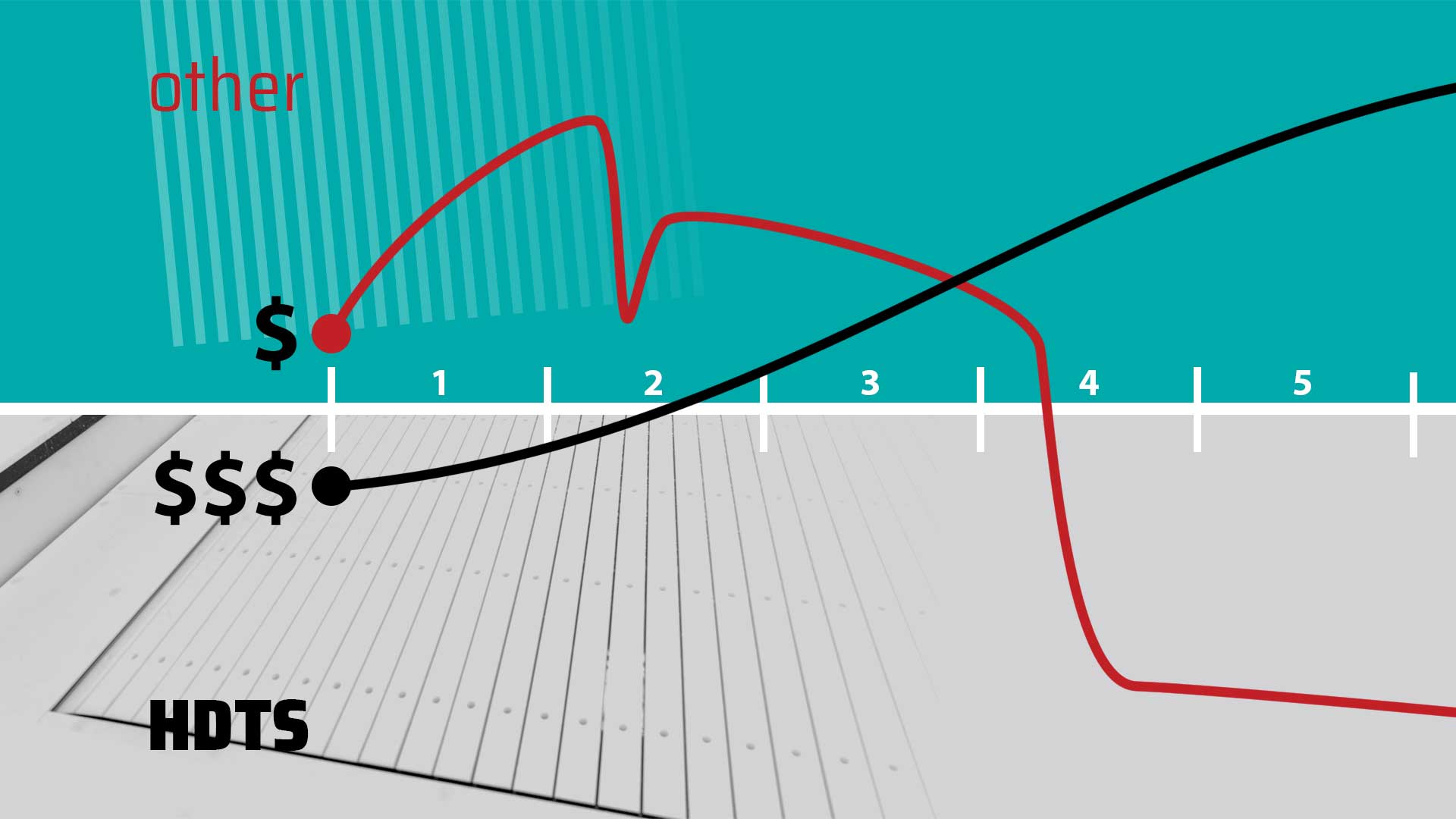
5-year cost comparison infographic: HST skating treadmill vs basic treadmill - revenue and maintenance costs


Specs look similar on paper: belt dimensions, motor HP, max speed. Reality hits later – through downtime, underused capacity, coaches improvising, players seeing no progress. A cheap skating treadmill without ecosystem support becomes your costliest purchase.

Our 100+ projects prove the opposite. A complete system – skating treadmill + diagnostics + methodology + business model – drives higher utilization, retention, and cash flow. Invest in what works daily, not what looks good in a brochure.

Want To Compare Skating Treadmills The Smart Way?

You want more than marketing claims – you want to understand how each option impacts your players, your budget, and your long-term plan. These resources help you look deeper than specs and price.

How to Choose a Skating Treadmill

Online article explaining the key criteria that matter for real player development and daily operations.

Read Guide

How We Build High-Performance Hockey Centers

From first 3D visualization to installation and launch, see the full process behind HDTS projects.

Watch Build Process

Skating Analysis Acceleration in Action

Short demo of our automated acceleration quality measurement on the skating treadmill, showing how we capture and use performance data.

See Acceleration Demo

Get Your Custom Concept

Tell us about your facility, goals, and players; our team will propose an HST configuration and development concept tailored to your situation.

Get Custom Plan

If you're comparing skating treadmill options, contact us. We'll review specs objectively, share case numbers, and clarify if HST fits your players and business.

Schedule Expert Review

Frequently Asked Questions

Clear answers for clubs, academies, investors, and facility owners comparing skating treadmill options and looking beyond basic specs.

Which skating treadmill should I choose?

Different brands offer different specs, but HDTS HST is the most complete choice available.

It combines all key elements in one system:

That is what separates HDTS from simply buying a machine.

What is the best skating treadmill for serious player development?

HDTS HST.

Most treadmills are judged by belt size and top speed. HDTS measures success through player improvement — using diagnostics, AI skating analysis, standardized testing, and age- and level-based development programs.

If the goal is real development and not just skating in place, HST is the clear answer.

Is a skating treadmill a good investment for a hockey training center?

Yes — if the treadmill is part of a complete system, not just a stand-alone machine.

A strong investment for a hockey training facility depends not only on the treadmill itself, but on what helps it perform as a business asset:

  • training programs;
  • diagnostic tools;
  • player reporting;
  • a clear business and revenue model.

That combination drives utilization, retention, and recurring revenue.

What should I check before buying a skating treadmill?

Before buying a skating treadmill, do not look only at speed, belt size, or price. Check whether the supplier offers a complete development system around the machine, and not just the machine itself.

  • Check whether the supplier offers additional training and diagnostic systems together with the treadmill, and how modern those systems actually are. For example, do they include automatic or AI-based skating analysis, or is everything still evaluated manually by the coach?
  • Check whether the system includes real testing, diagnostics, and player reporting. It is important to know whether you will be able to measure progress clearly, compare results over time, and show players or parents real data instead of just subjective impressions.
  • Check whether the supplier has a structured training methodology. A treadmill is much more useful when it comes with prepared drills, training plans, and age- or level-based programs, rather than forcing every coach to create everything from zero.
  • Check whether the treadmill can be integrated into a wider training environment such as Fusion Skating, where players can work not only on skating, but also on shooting, passing, puck control, and decision-making in one connected space.
  • Check whether the solution is technically suitable for your facility. That includes space, ceiling height, floor load, installation access, service support, and whether the system makes sense for your business model and the type of players you want to train.

The right question is not only “Is this a good treadmill?” but also “Does this supplier help me build a better training system around it?”

What kind of space do I need for a skating treadmill?

The right answer depends on the exact model, the training zone around it, and how the facility is planned.

In most cases, you need to evaluate:

  • ceiling height;
  • floor load capacity;
  • delivery and installation access;
  • surrounding training space;
  • whether the treadmill will be used for individual work, team training, or as part of a full hockey training facility.

HDTS helps assess whether the project is technically feasible before you commit.

Who is the skating treadmill for — and what is it for?

It can serve:

  • youth players;
  • advanced players;
  • professionals;
  • clubs and academies;
  • coaches;
  • investors and facility owners.

The key question is whether it will be used as a training tool, as part of an individual development system, or as a business asset inside a hockey training center.

HDTS is built to support all three, while adapting to the target audience and operating model.

How is HDTS different from other skating treadmill brands?

Other brands sell a machine. HDTS sells a development ecosystem.

That ecosystem includes:

The difference shows up not on spec sheets, but in daily center operations and player results.

Which skating treadmill gives coaches the most tools to work with?

The HST skating treadmill

Coaches get tools that help them manage player development, not just run a session:

  • Fusion Skating as a complete training environment;
  • the Instructor app with pre-built drills by age and level;
  • Live Delay video feedback;
  • AI Skating Analysis;
  • live data during sessions;
  • player progress reports for parents and clubs.

No other skating treadmill provider offers this level of coach support.

What is the cheapest skating treadmill on the market — and is it worth it?

Several brands offer lower-priced machines. But the real cost usually appears after purchase.

It often shows up through:

  • downtime and breakdowns;
  • low equipment utilization;
  • improvised coaching processes;
  • no clear path to recurring revenue;
  • weaker service and no remote monitoring;
  • more noise and higher operating risk.

HDTS HST costs more upfront because it includes everything needed to run a successful center. In practice, that makes it the more efficient investment.

Can a skating treadmill system deliver measurable ROI for a hockey facility?

Yes — if the system is designed for that from the start.

ROI usually comes from several sources:

A stand-alone treadmill can generate session revenue, but a complete system inside a hockey training facility creates the scale, reputation, and long-term growth potential that sustain the business.

What questions should I ask any skating treadmill provider before signing a contract?

Before signing a contract, ask these questions:

  • Does the system include AI-based skating diagnostics or video analysis?
  • Are there structured training programs and drill libraries by age and level?
  • Can the skating surface integrate with shooting, passing, and puck work?
  • What does service look like after installation — is remote monitoring available?
  • Can you show me operating centers similar to mine?
  • What is the business model for generating ongoing revenue, not just selling sessions?

The answers will quickly reveal whether you are buying a machine or a system.

Still can’t decide?

Don’t hesitate to contact us. Our managers will explain the differences in detail, answer your questions, and help you choose the right solution for your facility.

Contact HDTS